Watch · Pushold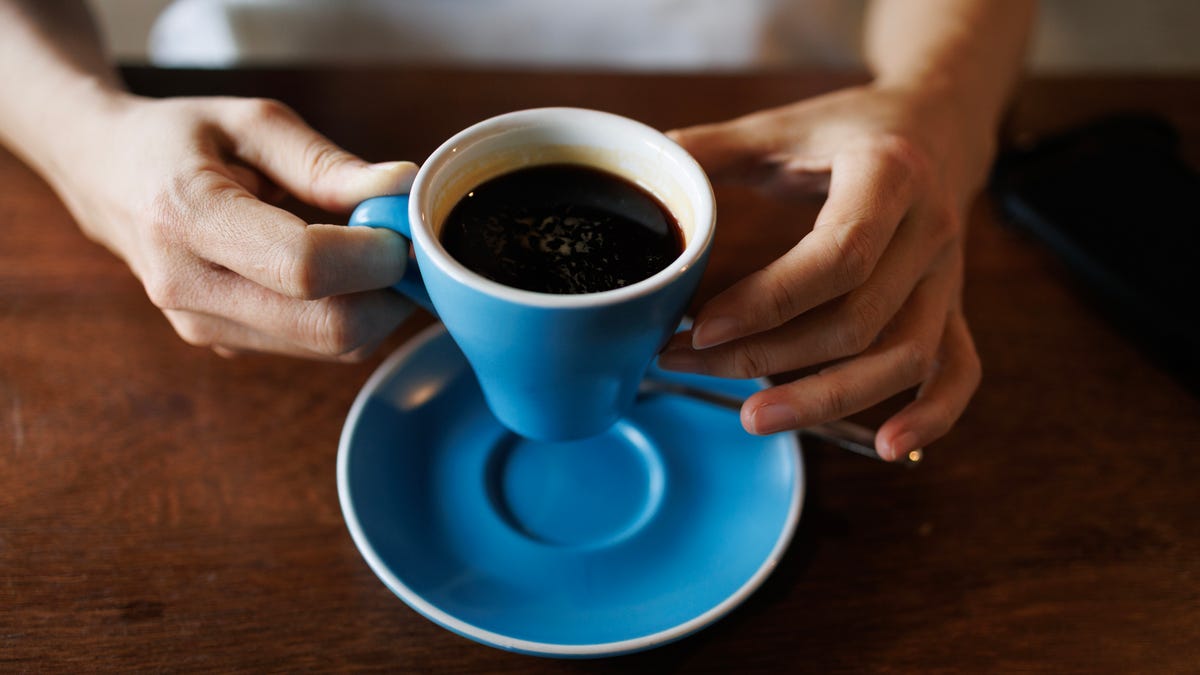
Show Caption Breakfast is what kicks off your day, so what do doctors eat to fuel their mornings? USA TODAY asked a series of different doctors what they typically eat in a day, including their breakfast and coffee choices. The doctors include a heart, gut and obesity medicine specialist, who also shared general guidance on eating healthy.
Breakfast is the most important meal of the day, some say − so what do doctors eat to fuel their mornings? We've asked a series of different doctors, including heart, gut and obesity medicine specialists , what they typically eat, including what kicks off their day (and how they take their coffee, if any!) Here's what three different doctors shared. For more specialized guidance, speak with your own medical provider.
What a cardiologist eats for breakfast Dr. Renato Apolito , a board-certified physician in interventional cardiology and cardiovascular disease , told USA TODAY he eats organic, low-fat milk paired with egg whites. "I find this to be high in protein and quite satisfying in the morning, after I work out," he said.
"It's quick and easy, doesn't take up much of my morning and doesn't wind up causing any type of postprandial hypoglycemia that I previously experienced when I used to eat a more carbohydrate-based breakfast." Postprandial hypoglycemia is a condition where blood sugar drops after eating. Plus, his breakfast is completely whole food and non-processed, he added. What an obesity medicine specialist eats for breakfast Dr.
Susan Wolver , director of the Virginia Commonwealth University Health Weight Loss Program , told USA TODAY she usually starts her day with plain, full-fat Greek yogurt, usually with protein powder added, flavored or unflavored – depending on preference that morning – topped with chia seeds, flaxseed and walnuts. "I really like the taste of a full-fat Greek yogurt. I think when people say plain yogurt, they're thinking more of a low fat, which is really bitter and tangy," she said.
If she's looking for something different, she might opt instead for store-bought egg bites or eggs cooked at home with some vegetables like jalapeños, salsa or sliced avocado. Plus, she can't forget her coffee with heavy cream − a change-up from her past of coffee with artificial sweetener. "It took me about five years to have less and less of it," she said.
"I don't like any sugar in my coffee now. It just really bothers me. It's interesting how your taste buds can change." What a gastroenterologist eats for breakfast Dr.
Arun Swaminath, the chief of gastroenterology at Lenox Hill Hospital in New York, told USA TODAY his breakfast depends on the type of day he's having. On normal days, for example, breakfast is just coffee, though he admits his dietitian says, "that's (a) terrible decision." He takes his morning cup with a little bit of lactose-free milk and 1/4 teaspoon of sugar − "just to take the bitterness out." On busy days, when he knows "lunch is going to be very iffy" due to a packed patient and procedure schedule, he opts for coffee with an egg and toast. "Because I'm Indian, we've always got some type of green chutney, so I put that as my layer between the bread and the egg, and it's got a delicious flavor," he adds.
And on the weekend, a bagel, egg and cheese − or a breakfast burrito and hash browns, "if my kids are demanding it," he said. What makes a diet heart-healthy? For a healthy heart and body, eating leafy greens, colorful vegetables and fruit rich in fiber is helpful, Apolito explained.
"Aim for a variety – spinach, broccoli, berries, carrots − and remember, the greener, the better," he said. "Eating whole food (and) lean proteins is much better than eating processed meats like bacon, sausage and deli meats, which are particularly high in sodium and preservatives linked to heart disease." Unfortunately, living in a society "surrounded and inundated by unhealthy processed food that are advertised ubiquitously and incessantly" makes things more difficult, Apolito acknowledged. More than half of the calories consumed at home by adults and children in the United States come from ultra-processed foods , according to a 2025 analysis from the National Center for Health Statistics.
Swaminath recognizes that due to busy lives, accessibility issues and more, healthy eating is "never going to be perfect." But he tries to follow the same advice he gives patients, like focusing on the right foods and avoiding too much alcohol . Facebook Twitter Email
Source: USA Today